How does Ozempic actually work?
Wednesday 11th Jun 2025, 12.30pm
Whether you’ve been served an advert for it, or just heard about it in the media, it’s likely that ‘Ozempic’ isn’t a totally unfamiliar word. Now often associated with weight-loss, Ozempic is actually the brand name for a drug used to treat diabetes. So what exactly is it, how does it work, and is it safe? We chat to diabetes and endocrinology (hormone) expert Dr Annie de Bray to find out.
[Music]
Emily Elias: On social media. It’s hard to escape ads for weight loss drugs these days, and while it might feel like they are everywhere, they are not necessarily for everybody. And on this episode, the Oxford Sparks Big Questions podcast, we are asking how does Ozempic actually work?
[Music]
Hello, I’m Emily Elias and this is the show where we seek out the brightest minds at the University of Oxford, and we ask them the big questions. And for this one, we have found a researcher who is willing to guide us through the world of Ozempic.
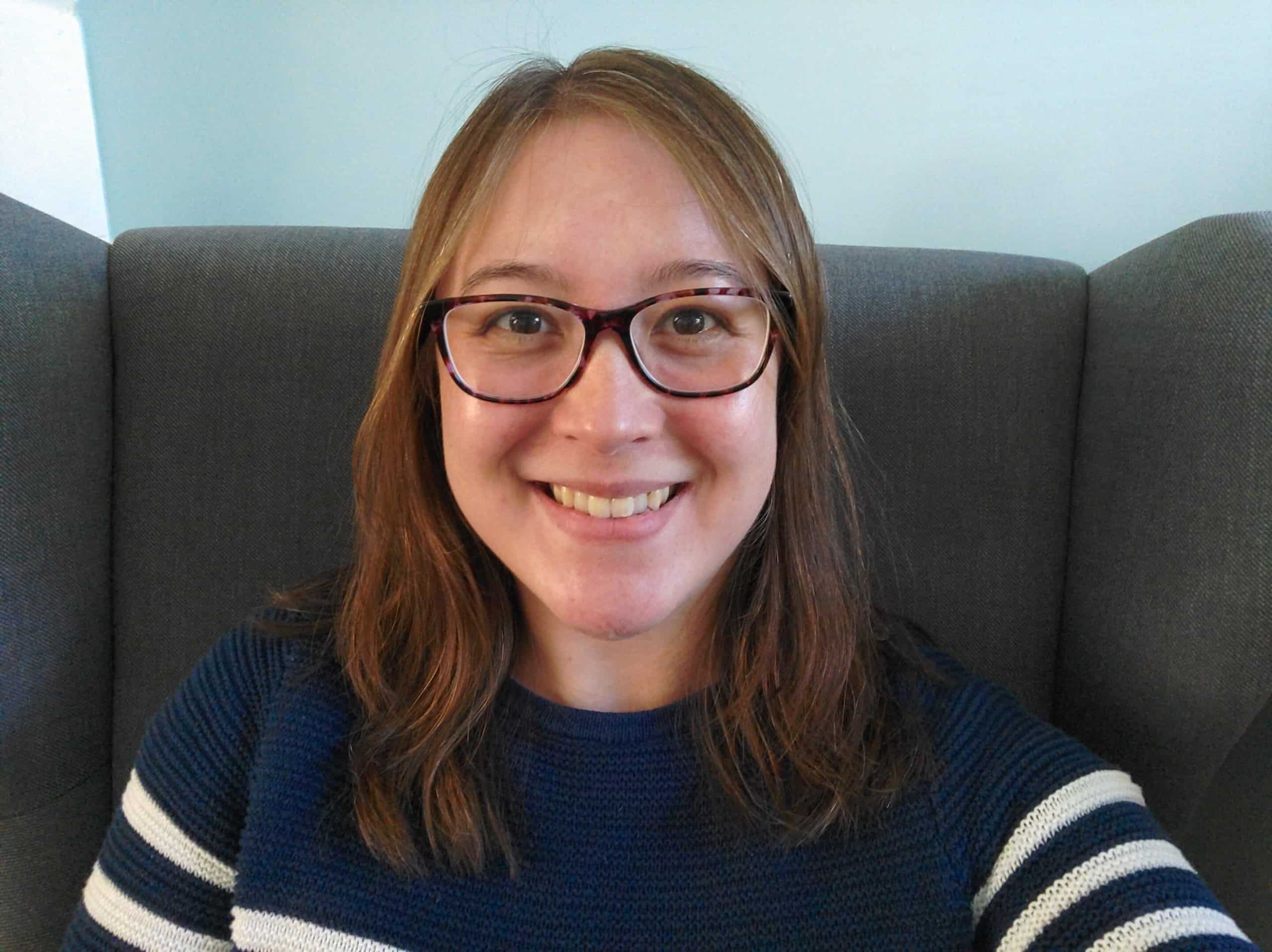
Annie de Bray: So my name is Annie de Bray. I am a diabetes and endocrinology doctor, so a hormone doctor. I’m based in the West Midlands in Birmingham, but I’m currently doing a PhD in diabetes research at the University of Oxford.
Emily: I think I have lied a lot, pretending I know exactly what Ozempic is. But I don’t think I really know what it is. Can you just walk me through this? What the heck is Ozempic?
Annie: Of course. So thank you very much for having me. So, um, Ozempic is a just a modified version of a hormone that all of our bodies naturally make when we eat, a couple of hormones get released from our gut, and they travel around our body and they help our body control our blood sugar after we eat, and they help make us feel full. But in our bodies, the hormones only last for a couple of minutes before they’re broken down and Ozempic and other diabetes and weight loss drugs that are similar are just modified to resist this breakdown and last longer. Um, and Ozempic is based on one of the hormones, which is called GLP-1, which is what you might also hear.
Emily: So what are we talking about here? Like naturally in my body, the GLP-1 hangs out for like a couple minutes, couple hours or a few minutes.
Annie: Just a few minutes. So and the reason why that’s great is because it helps you control your blood sugar only when your sugar goes up, so there’s a very low risk of it dropping your blood sugar too low, which can be really tricky if you have diabetes.
Emily: And so if I was taking, say, an Ozempic type thing, how long does it then last? Are we talking. We’re going from like minutes to hours to days or is that too crazy?
Annie: Yeah, days. So, um, Ozempic and a couple of the other drugs are given once a week, so you only need to do once a weekly injection, whereas older versions of Ozempic, um, uh, different drugs would have to be injected once a day.
Emily: The name Ozempic, does that mean specifically for like weight loss, or does that mean is it like a brand name or like is it an individual? Is that the drug name? Like what is where does Ozempic come from?
Annie: Yeah. So although in the media, Ozempic has been very much linked to weight loss, talking about Ozempic face and stuff. Ozempic is actually a drug for diabetes. So the underlying drug is called semaglutide, and that’s the generic sort of base name for it. But the trade name, the market name Ozempic is when you use semaglutide for diabetes. But when you’re using semaglutide for weight loss, it’s called Wegovy.
Emily: Yes. Semaglutide doesn’t quite roll off the tongue in the same way.
Annie: No. And that’s the same thing for the next sort of generation of drug called tirzepatide. So tirzepatide is combining both GLP-1 and another hormone GIP. And tirzepatide is known as Mounjaro. If you’re using it to treat obesity and then it’s Zepbound if you’re using it to treat diabetes…
Emily: …but they’re all essentially doing the same thing, right?
Annie: Yeah, pretty pretty similar thing.
But there are different doses and different light regimes and different maximum doses that you use for the different conditions, which is why it has to be given a different name.
Emily: So you focus in on diabetes. What does Ozempic do for diabetes?
Annie: So if we start with what diabetes is. So if you have diabetes, the problem is that your blood sugar goes too high and your body isn’t able to bring it down because of a problem with a hormone called insulin. Um, an insulin is a hormone that we make to control our blood sugar after we’ve eaten. And it pushes the sugar from the blood into our cells so that they have energy. But if you have diabetes, either you can’t make any insulin. So that would be Type 1 diabetes. Or the insulin that you make is not enough or it doesn’t work properly. And that’s Type 2 diabetes.
So these drugs they help you control your blood sugar after eating. They make you release more of this insulin after you’ve eaten to bring that blood sugar down quicker. They act on different parts of the body to make the insulin that you are making work better, and they also help the cells that make insulin live longer and grow more. So that’s why these drugs are really good for diabetes.
Emily: Yeah, it kind of sounds like a miracle drug.
Annie: Well, yeah, I wouldn’t go that far. They do potentially have some side effects, but they are like really revolutionary and particularly in the field of obesity where we’ve not had many effective treatments for obesity. They’re really like, fantastic, because they’re finally treating the underlying biology of it. So yeah I wouldn’t say miracle drug, but I would say they’re pretty good.
Emily: Okay. Okay. Let’s get into the side effects. The the small print that you hear at the bottom of the advert.
Annie: Yeah. So I mean, all drugs potentially have side effects and not everyone who takes the drug will get the side effect, but it is important to be aware of them.
I think with these injectable medications for diabetes and obesity, the most common side effects are gastrointestinal. So that would be things like feeling sick, feeling bloated and having diarrhoea. And that’s because the drugs work on your brain to try and suppress your appetite. But while they’re there, they also work on the centres that make you feel sick, but they also work on your stomach to slow things down, to make you feel full. And that can change your bowel habit. Um, and it tends to be related to when you’re changing up the dose. That tends to be when you tend to get most of the symptoms.
There’s also a risk that if you are not prepared well to take it and you’re not looked after while you are taking the drugs, then there’s a risk of becoming malnourished. Um, because you can understand that if you suddenly start taking this drug and all you want to eat all day is just one piece of toast, you’re potentially not getting all the vitamins and minerals and protein that your body needs to keep going. So there is a risk that if you’re not looked after properly while you’re taking these drugs, that you can become malnourished and lose muscle mass as well as fat.
Emily: So Annie, who can access Ozempic?
Annie: So on the NHS, um, access for Ozempic for diabetes is different to Wegovy for obesity. So we were kind of talking a bit about if you wanted to lose weight and you wanted to go into your GP and lose weight. Wegovy so treatments for obesity can’t be prescribed by a GP. You have to be in a weight management service for this. So that means you have to be referred by your GP, usually to a hospital or a private clinic, and then you can get Wegovy through that clinic, but you have to have a high BMI. So it’s over thirty and you have to have complications of obesity. So that would include things like Type 2 diabetes or high blood pressure or fertility issues. So it’s not very easy to get these drugs in the first place. On top of this, there has been a global shortage of these medications. In 2023, a national patient safety alert was published saying that we weren’t allowed to prescribe this to any new patients. So it’s getting better. But these drugs aren’t really freely available like many other people might think.
Emily: Now I watch a lot of Real Housewives, and there really seems to be like a Housewives-ification of using drugs like Ozempic Mounjaro. Is there any sort of concern that the Hollywood perception, or the Housewives perception of these drugs is setting out an unrealistic narrative for people to just, you know, go and get this and be fine?
Annie: I love the word housification, housewifi…, whatever that word was. That’s great.
Emily: Housewife-ification?
Annie: Yeah. That word. Um, it’s harder than a lot of scientific words, I think. Um, yeah.
So firstly, I think it’s. You never know what’s going on behind the scenes, right? So you don’t know whether somebody has obesity or overweight? I don’t think it’s often fair to make those judgments. And you never know, even if they’re telling you a lot of things, there’ll be some things that they’re keeping private. So firstly, you don’t know if actually they have a medical reason for taking these medications. And I do think it is good when people who have influence, who are popular, who are famous, use their platform in a good way to promote awareness of medical conditions and treatments. And that can lead to really positive things like, you know, getting symptoms checked out earlier or going for cancer screening and things. So I think it can be positive, but I think that it has to be done in a quite a responsible way where you’re presenting correct factual information and where people are transparent about their motivations for talking about this.
Um, but with these sort of diabetes and weight loss drugs, I think there’s a risk of either if you’re sort of famous in talking about it, demonising these drugs and saying that they’re easy way out. It’s a shortcut. And that’s not true because for weight loss, these are just the first kind of drugs that are treating underlying biology of obesity, which we’ve not had before. So they are really helpful medical treatments. Or you could go the other way and make them seem like they’re the best and the safest option for everyone to lose weight. And that’s not true, because although these drugs will work for you at any weight, they are not safe. If you have an eating disorder or you are already a healthy weight or you’re underweight, it is not healthy for you to lose even more weight using these medications. So I think it’s great that these drugs are being discussed, but I think it’s best if it’s done in a in a balanced way where facts are presented clearly. And I think Oprah is quite a good example of this, where she actually speaks to an endocrinologist, she actually speaks to people who take it, and she talks about her own experience in quite, um, a balanced way.
Emily: Okay, Annie, so there’s this whole world of like, social media advertisements pointing me towards accounts that could sell Ozempic or Ozempic-like drugs, I mean, default would be you want to go to your GP, but if it’s hard to go to your GP to get it, I’m sure people are taking the route to go alternative means.
Annie: Yeah, absolutely. And I can understand why people want to just directly buy it. It can take a while to get these medications on the NHS, particularly if you don’t quite meet the criteria yet. I can understand why people want to try and buy it directly, absolutely. But you really need to make sure you’re getting it from somewhere that is trustworthy. And I think social media often makes people blind and makes people think that it is a trustworthy source. If they see an advert on there, it must be regulated, it must be trustworthy. But unless you’re going to a a registered, like I would say, a well-known pharmacy that has clear affiliations with all the right sort of societies and agencies that is being monitored, then you shouldn’t just be buying these medications via social media. You don’t know what’s in them. We’ve had people come into hospital unwell because they’ve been taking what they thought was Ozempic or Wegovy, but has actually contained things like insulin, and they’ve come in with a dangerously low blood sugar because they’ve been inadvertently injecting themselves with insulin. So I can understand why people may not want to go via the NHS and buy it privately, but always make sure that you’re going through a reputable company, check it out online properly, and if the price is really good, then it’s probably too good to be true.
Emily: What are some of the questions that you would like to explore in the future when it comes to how these drugs are analysed and looked at?
Annie: So I think the work’s already being done. And what I find interesting, actually exploring how these drugs seem to be improving other conditions, I think is really exciting. And like I said, it’s being looked at how it accesses the brain and where it’s acting there and how it can prevent inflammation and damage that goes on in there. So that’s what I find quite interesting. And more of these drugs are being developed all the time, which is why it’s important to get more understanding of how they’re actually working.
There’s going to be drugs that are better versions of the current drugs that we have. So they’re better at helping you lose weight, they’re better at controlling your diabetes, but they have fewer side effects. Maybe you only need to inject them once every two weeks or once a month. There’s going to be drugs that are combining other hormones of interest to try and improve the effects. And there’s going to be these drugs that are now being used for other conditions not related to diabetes and obesity. So that’s what I think is exciting.
[music]
Emily: This podcast was brought to you by Oxford Sparks from the University of Oxford, with music by John Lyons, and a special thanks to Dr Annie de Bray.
You know what I’m going to say next, tell us what you think about this podcast. We are on the internet at Oxford Sparks, or you can pitch us your big question. Go to OxfordSparks.ox.ac.uk.
I’m Emily Elias. Bye for now.